Cattle Report Steady, Global Meat Outlook Signals Shifting Supplies
By Jason Vance
An April snapshot of the U.S. cattle industry shows steady, expected trends, while a broader global outlook points to tightening beef supplies and modest growth in competing proteins, according to Livestock Marketing Information Center Director Tyler Cousins.
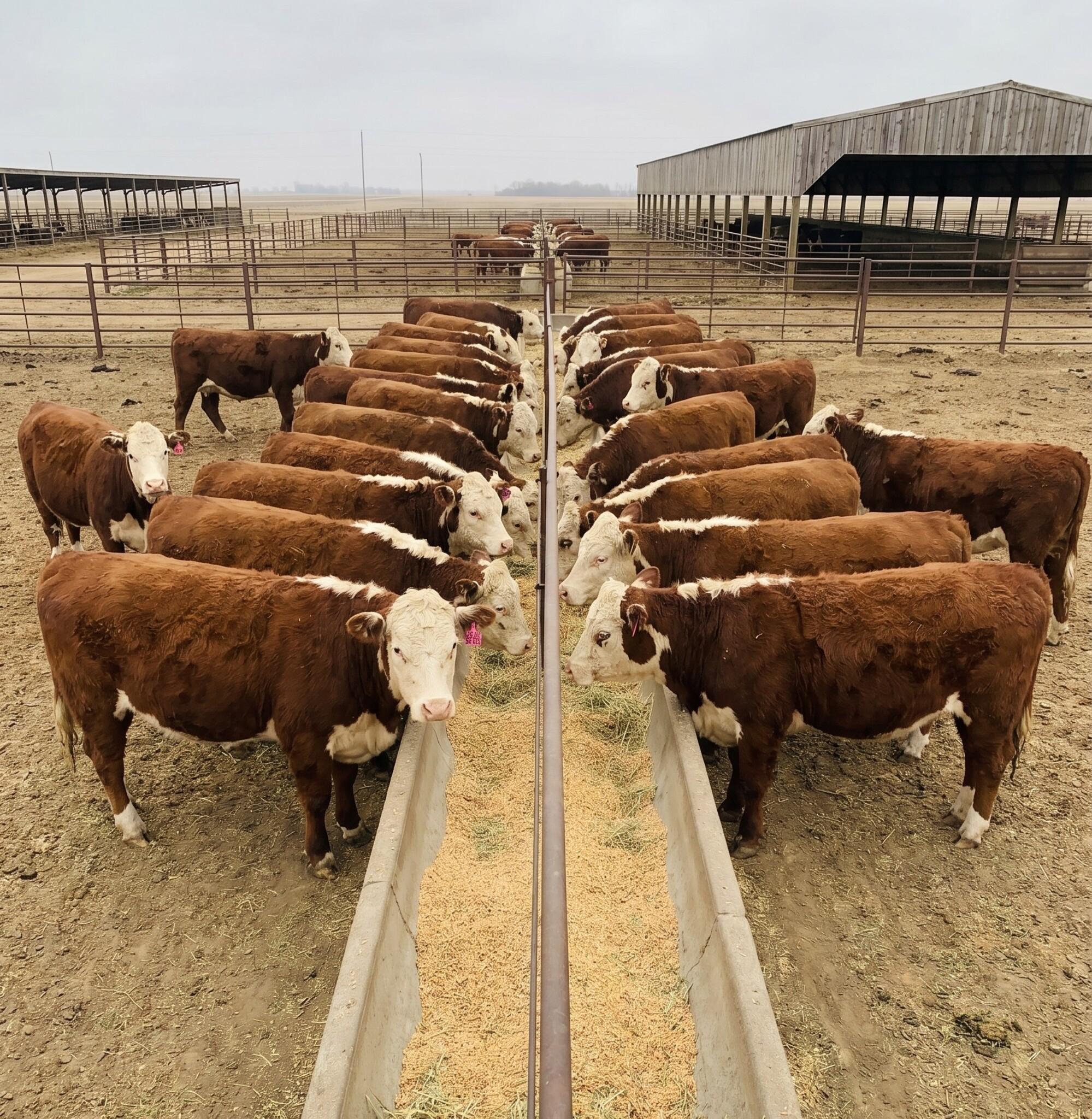
Cousins said the latest Cattle on Feed report delivered few surprises but reinforced ongoing supply patterns across the industry.
As of April 1, cattle on feed totaled just under 11.6 million head, down about 0.5% from a year ago and largely in line with pre-report expectations. Placements came in at just over 1.7 million head, a decline of more than 7% year-over-year, while marketings were slightly above 1.6 million head, down about 5.5%.
“By and large, the report was in line with what analysts were expecting,” Cousins said. “There really weren’t any major surprises.”
He noted that reduced cattle placements continue to reflect limited feeder cattle supplies, a trend partly tied to restricted cattle movement from Mexico as border closures persist.
The quarterly breakdown of the report also offered insight into herd dynamics. Heifers on feed totaled just over 4.3 million head, representing 37.3% of total cattle on feed—nearly unchanged from a year ago.
That figure is closely watched for signs of herd rebuilding, but Cousins said the latest data does not yet indicate significant retention.
“We’re not seeing a clear signal of heifer retention for herd rebuilding,” he said, adding that drought conditions in parts of the western U.S. could still influence those decisions in the months ahead.
Beyond feedlots, cow slaughter trends are also shaping the supply outlook. Total cow slaughter through March reached nearly 1.2 million head, down about 5% from last year. Beef cow slaughter has dropped sharply—down 17%—while dairy cow slaughter has increased about 7%.
The net effect is a decline in overall cow slaughter, which, combined with strong consumer demand for ground beef, is expected to support prices.
“Demand for ground beef remains strong, especially as we head into grilling season,” Cousins said. “That should help support slaughter cow values through 2026.”
Global Outlook: Less Beef, More Pork and Chicken
On the global stage, Cousins pointed to the latest report from USDA Foreign Agricultural Service, which projects shifting meat supplies in 2026.
Global beef production is forecast to decline by just over 1% to 61.6 million metric tons. Lower output in major producers such as Brazil, the United States, China and the European Union is expected to outweigh gains in countries like India, Mexico and New Zealand.
Despite a projected 2% decline, Brazil is expected to remain the world’s largest beef producer following a record year in 2025.
Global beef exports are also forecast to dip slightly, with reduced shipments from key exporters offsetting increases elsewhere. Meanwhile, China is expected to remain the world’s largest beef importer, even as its imports decline significantly due to tariff-rate quotas.
In contrast, global pork production is expected to increase slightly in 2026, reaching just over 120 million metric tons. Growth in the United States, Brazil, China and Canada is anticipated to offset declines in the European Union.
Pork exports are also projected to edge higher, supported by stronger shipments from the Americas.
Chicken production is forecast to see the most notable growth, rising about 2.5% globally. Exports are expected to climb 3.5%, led by Brazil and China, as poultry continues to offer a lower-cost protein option for consumers worldwide.
Market Signals Ahead
Taken together, Cousins said the data points to a livestock sector balancing tight cattle supplies with stable demand and increasing competition from other proteins.
“Tighter global beef supplies alongside growing pork and chicken production will keep trade flows dynamic,” he said.
For U.S. producers, much will depend on weather conditions, feed costs and whether herd rebuilding gains traction later this year. Until then, the cattle market appears to be holding a steady, if constrained, course.