Turkey Talk: Safety Takes Center Stage
By Jason Vance
Contributor
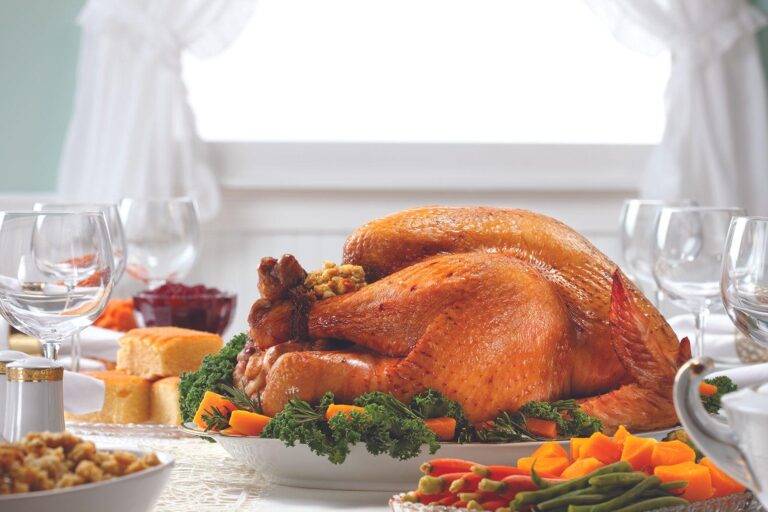
Thanksgiving may be a time for family, food and tradition, but for the USDA’s Meat and Poultry Hotline, it also represents the busiest food safety season of the year.
USDA food safety expert Meredith Carothers calls Thanksgiving the hotline’s food safety Super Bowl, with cooks across the country preparing turkeys, side dishes and desserts while juggling schedules, family gatherings and expectations for the perfect holiday meal.
“From actual football Super Bowl, we really lean into Thanksgiving because there are just so many food safety points to make and so many things to consider,” Carothers said.
Preparing a Thanksgiving meal can bring plenty of stress, particularly for those hosting for the first time or trying to coordinate multiple dishes and serving times. That pressure can lead cooks to overlook food safety precautions or take shortcuts that potentially put guests at risk.
Planning ahead is one of the most important steps toward a safe holiday meal, Carothers said. Knowing what foods are being prepared, how they will be cooked, how much time is needed and how dishes will be transported all contribute to a successful Thanksgiving.
Thawing a turkey properly is especially important. USDA recommends allowing 24 hours of refrigerator thawing time for every four to five pounds of turkey. Refrigerator thawing is the safest method because the bird remains at a consistent, safe temperature throughout the process.
Carothers also recommends placing the turkey in a container or bowl to catch thawing juices and prevent them from spilling onto other foods or surfaces.
For those purchasing a fresh turkey, consumers should pay attention to the use-by or freeze-by date on the packaging. According to Carothers, a fresh turkey with a use-by or best-by date can be kept refrigerated through that date.
While a partially frozen turkey can be safely cooked in an oven, it should never be placed in a deep fryer while frozen.
“When you put frozen anything into hot oil, the ice crystals turn into steam immediately,” Carothers said. The rapid expansion can cause oil to bubble over the fryer, creating a dangerous fire and burn hazard.
Over nearly four decades of operating the Meat and Poultry Hotline, USDA staff have fielded some unusual Thanksgiving food safety questions. Carothers recalled callers who had brined turkeys in trash bags and then accidentally cooked the birds with the plastic still attached, as well as people attempting to thaw turkeys in dishwashers or showers.
Fortunately, those unusual questions have become less frequent over the years.
Carothers believes food safety education has helped, with consumers learning proper preparation techniques and passing that knowledge along to family and friends. USDA’s food safety education team also works through partnerships and educational resources to help consumers make informed decisions in the kitchen.
For Thanksgiving food safety questions or other concerns involving meat and poultry preparation, consumers can contact the USDA Meat and Poultry Hotline at 1-888-MPHOTLINE or email mphotline@usda.gov.