
Behavioral Center Serves Grundy County Residents in Health Crisis
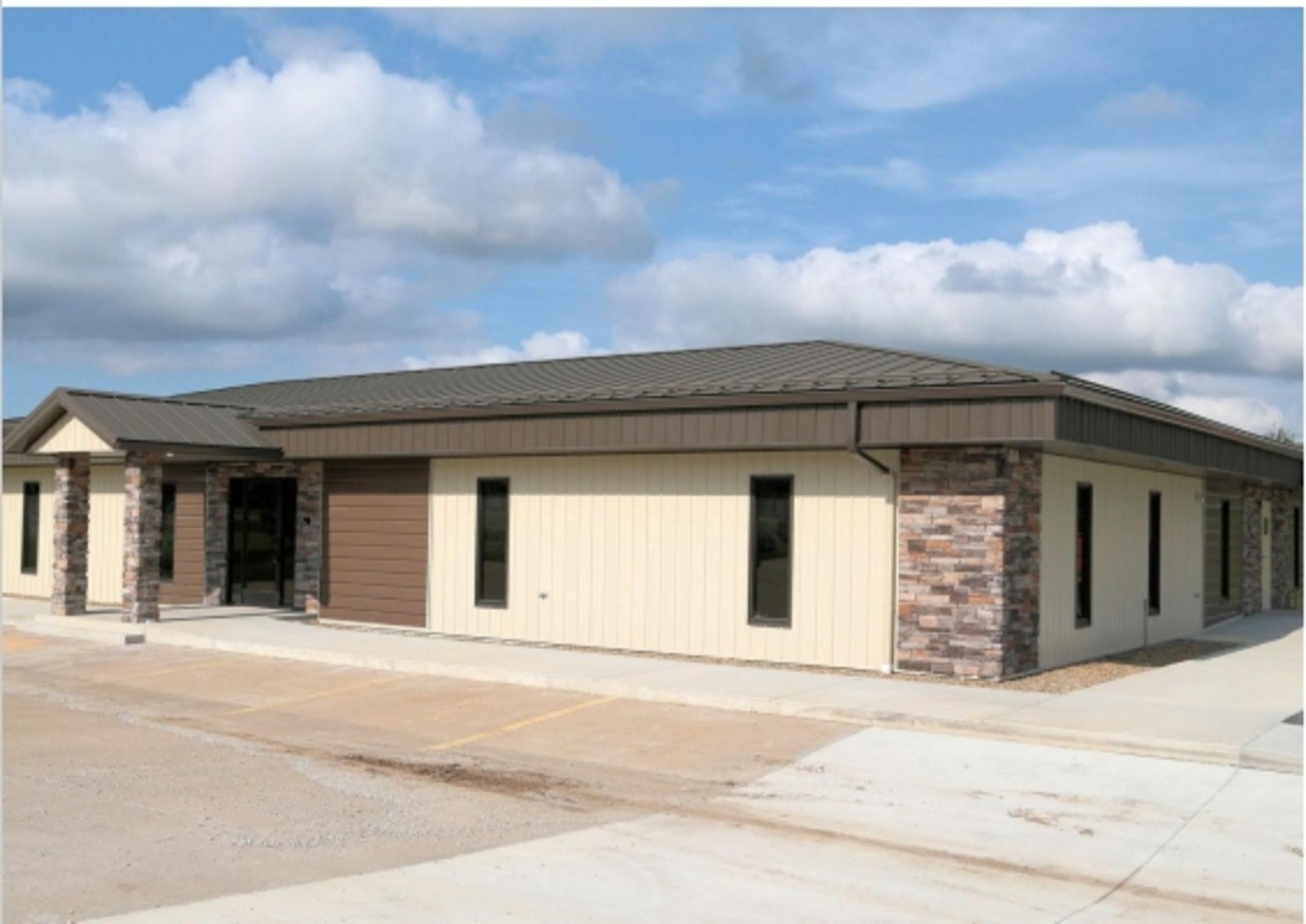
The Behavioral Health Crisis Center located on Oklahoma Avenue.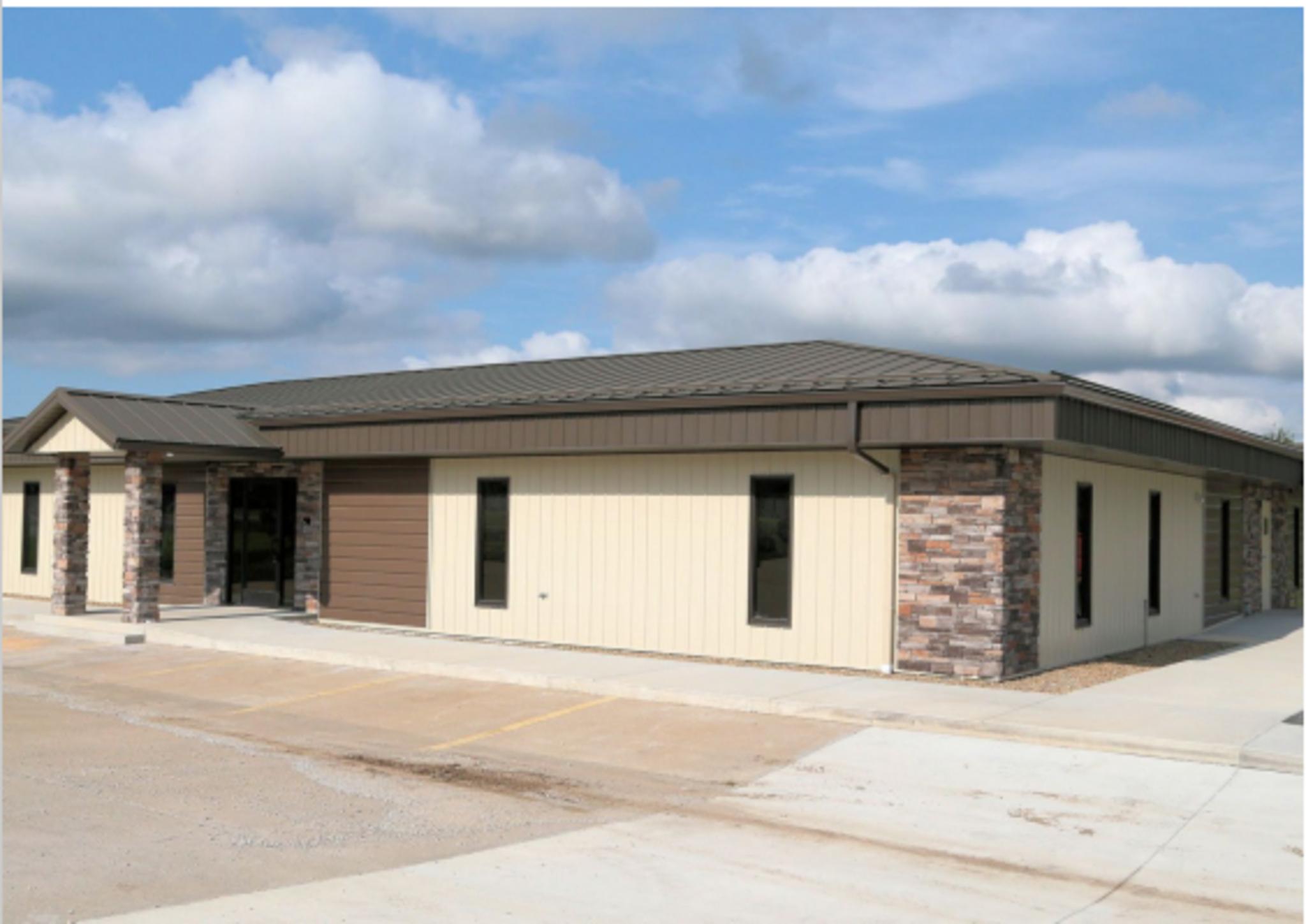
Gabe Stark
The Trenton Telegraph
Madison Cutsinger, a Trenton native with deep local roots, is helping lead a community resource designed to support individuals during some of their most difficult moments — at no cost to those who seek help.
Born and raised in Trenton, Cutsinger said most of her family still resides in the area. Her interest in mental health began early, sparked during her sophomore year of high school when she took a psychology class and initially planned to pursue a career in forensic psychology.
That interest continued into her college education. Cutsinger attended Northwest Missouri State University, earning a bachelor’s degree in psychology with a minor in criminology. For much of her time at Northwest, she remained focused on forensic psychology, but toward the end of her studies she began to recognize opportunities to apply her education closer to home.
She later continued her education at Missouri State University, earning a master’s degree in social work through the university’s online program. At that point, Cutsinger was employed full time and had shifted her professional focus toward obtaining her clinical license.
Cutsinger’s career with North Central Missouri Mental Health Center began in an outreach-focused role. As an Access to Crisis Intervention (ACI) Outreach Specialist, she worked to educate communities about mental health while also serving on the Mobile Crisis Response team, meeting individuals where they were during times of crisis.
After gaining experience and learning from supervisors and colleagues, Cutsinger transitioned into her current role as Crisis Director as the Behavioral Health Crisis Center neared completion.
As Crisis Director, Cutsinger is responsible for performing and supervising crisis intervention services provided by the agency. These services include Access to Crisis Intervention, Mobile Crisis Response and operations at the Behavioral Health Crisis Center.
The Behavioral Health Crisis Center was created to provide a safe, short-term option for individuals experiencing a behavioral health crisis. The center offers a quiet, calming environment where individuals can de-escalate, receive support and be connected with community resources — all free of charge. By removing financial barriers, the center aims to make help accessible when it is needed most.
The Trenton BHCC is part of a statewide initiative launched by the state of Missouri, which identified service areas without crisis centers and worked to establish them. Construction on the local center began in late 2024, and it officially opened Oct. 6, 2025.
Since opening, the number of individuals utilizing the center has varied. On average, the BHCC has served about one individual per week, with some weeks seeing no visitors and others serving as many as four.
When someone enters the BHCC, they are first greeted by a behavioral health technician, who collects demographic information to open a chart. The individual then meets with a registered nurse for a basic health screening. Following that, a qualified mental health professional completes an assessment, discusses what the individual is experiencing, and helps them de-escalate, develop coping skills and connect with appropriate resources, without cost to the individual.
The center serves individuals experiencing a behavioral health crisis, including anxiety, depression or thoughts of suicide. Cutsinger emphasized that behavioral health crises are self-defined, noting that what may seem minor to one person can be overwhelming to another. The BHCC also provides a place for individuals who need to briefly step away from their environment to decompress or who may benefit more from behavioral health care than medical care.
Currently, the center is open Monday through Friday from 8 a.m. to 8 p.m. Short-term goals include increasing awareness of the BHCC’s purpose and expanding utilization. Long-term goals include operating 24 hours a day, seven days a week, and eventually serving children ages 5 and older.
The BHCC is staffed by professionals trained in crisis management and suicide risk. Behavioral health technicians serve as the first point of contact, registered nurses conduct health screenings, and qualified mental health professionals work to stabilize individuals and help them return to their pre-crisis level of functioning.
Cutsinger said one of the center’s biggest successes so far is that more than half of the individuals who have utilized the BHCC have chosen to pursue ongoing behavioral health services. She also noted that the ACI and BHCC teams have worked to raise awareness and develop positive working relationships with local law enforcement and emergency medical services.
To continue functioning and expanding its impact, Cutsinger said the BHCC relies on increased community awareness and support. She emphasized that services are free, not limited by residency, and available to anyone in need. The process of developing and operating the BHCC, she added, has been a learning experience for everyone involved, including the team itself.