Meet The Mayor
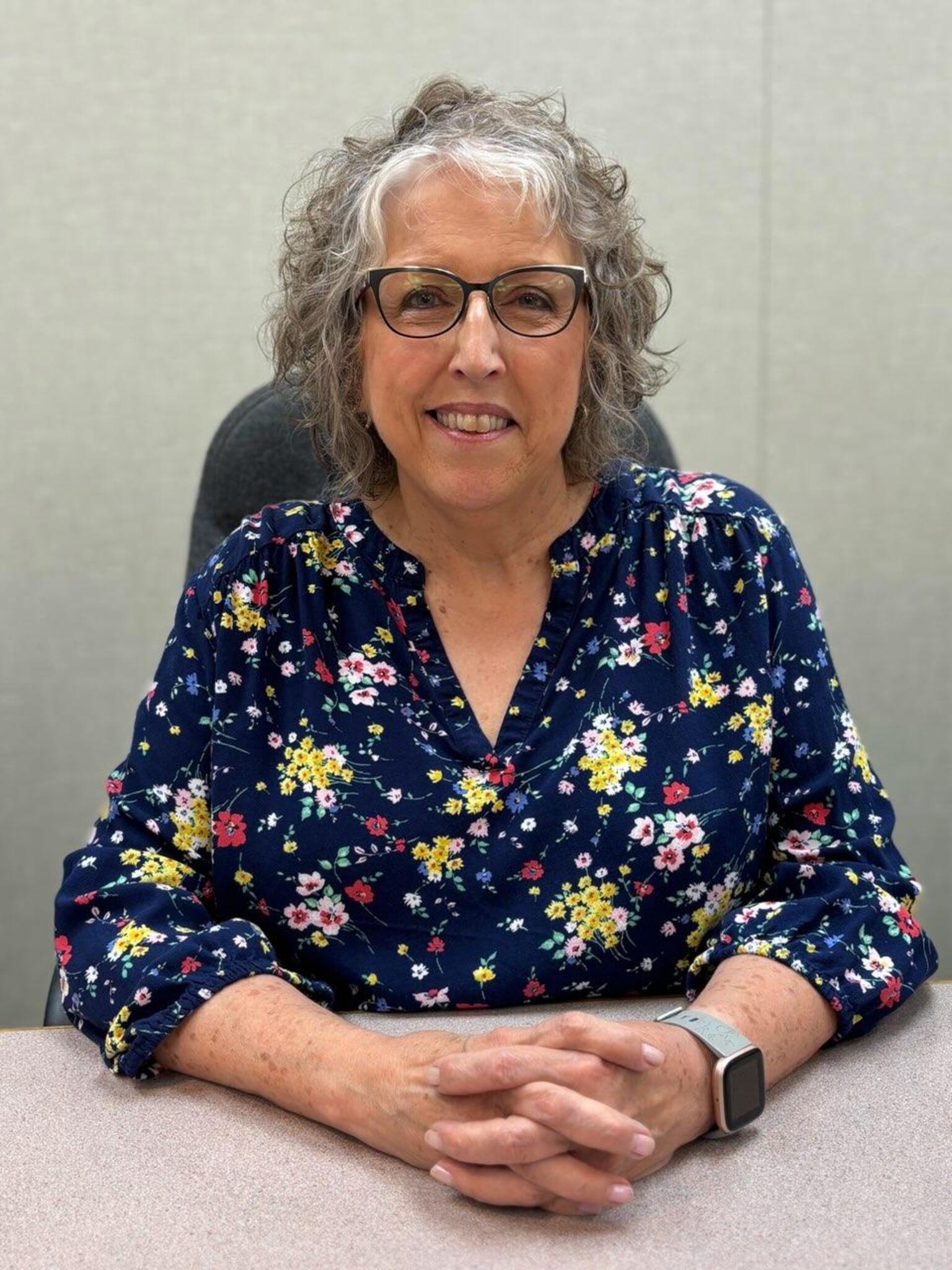
Jackie Soptic the Mayor of Trenton Missouri
Gabe Stark
The Trenton Telegraph
Jackie Soptic, the current mayor of Trenton, Missouri, has a story interwoven with community service, professional know-how, and an abiding commitment to the town she leads. In a recent interview, Soptic opened up about her roots, her career, and her aspirations for Trenton’s future, sharing a candid look at small-town leadership in 2025.
Returning to Her Roots
“I was born here. My parents’ families are from the Trenton area,” Soptic said.
Her father’s work on the railroad took the family away, so she grew up in Kansas City, Kansas. But in 1977, after marrying, she and her husband returned to Trenton—a move that set the stage for a lifetime of civic engagement.
Nearly five decades later, Soptic’s perspective is shaped by both urban and rural experiences.
“In the city, there’s of course more diversity. You’re exposed to a lot more things. You experience all types of people, and it just gives you a broader sense of the world,” she said.
Lifelong Learning and Service
Soptic’s educational path was unconventional.
“I graduated in 1977 and college wasn’t even talked about, especially with girls,” she said. “You could be a secretary, or work at a store, but there wasn’t a lot about education for me.” She eventually earned an associate’s degree from NCMC after her second child and began a career that would span workforce development and economic planning.
At the Greenhills Regional Planning Commission, she developed job programs for displaced workers.
“Everybody’s got a story, and everybody in those cases, when they’re at a crossroads—lost a job, or got a divorce, or some life event happened—you just have to take them where they’re at and support, and be positive, and show them all their options.”
Soptic’s career transitioned to economic and community development, where she spent over three decades. She’s proudest of her hands-on approach to strategic planning:
“I did a lot of strategic planning with communities to help them see, ‘What could we try to achieve in three years? What can we achieve in five?’ Not a giant book nobody reads, but an actual plan with some action steps that they on their own could tackle.”
During this time, Soptic was involved in assisting 11 counties, including 74 towns. Providing communities frameworks to provide them funding and a plan to grow revenues and revitalize struggling systems.
One of her signature achievements was championing the Missouri Main Street program. “We are really seeing growth in our main street, and development and investment. Our college is a huge asset to this community. When it grows, it just helps us grow,” she said.
From Council to Mayor
Soptic’s public service includes an earlier stint on the city council, but her decision to run for mayor followed her retirement from Greenhills and the passing of her father.
“I decided to file then, so I filed before I actually retired,” she said. The campaign was a grassroots effort: “I created a pamphlet. I had a Facebook page. And I went door to door. I covered as much of the city as I could through the month of March. I would say I made it to three-fourths of Trenton.”
Her motivation? “Mostly based on my absolute love and passion for community government. Not so much politics, but service. I didn’t have an agenda of any kind. I just wanted to get in and make some improvements and use my experience for the benefit of Trenton.”
Soptic stated that one of her biggest goals as Mayor would be to ensure people feel they can access their local government. “It’s important to me that Trenton feels and knows that it’s their government… if there are issues we want people to share them and we will listen and try to fix them as best that we can”
Challenges and Progress
Upon taking office, Soptic found a city with capable, experienced staff—but also inconsistencies in procedure.
“I would have to say the biggest challenges and surprises I walked into were just not a consistency in following procedure,” she said. “Sometimes it might be bidding or procurement, just policy in general.”
She’s worked to professionalize city government. “Since I became mayor, we’ve done a lot to move the city forward. I’m real big on, if it’s a statute, it’s a statute. We do it.”
She also shared that the cities new wage schedule for employees has helped with staff retention. “This is the first time that we have been fully staffed—the first time since I became mayor.”
Economic Realities and Opportunities
Soptic’s economic vision is grounded in her professional experience.
“Rural communities, particularly—even urban and metros—are struggling to move forward. Your rural community has to know what they are. The trends of today with economic development and growth in rural is: grow your own. Keep what you have, expand what you have, and grow your people to take businesses, start businesses,” she said.
She cautions against relying on outside corporations.
“The community’s wealth comes from the people that live here, have businesses here, and invest here,” she explained. “You might have some jobs and create some tax revenue by bringing in a big thing, but their wealth is mostly at the corporate level, and you’re at their mercy. one day leave, and there goes the investment. Our growth and our development for the future is going to come from our people.”
Trenton, she believes, is well-positioned as a regional hub for services and education. “We have North Central Missouri College, North Central Missouri Mental Health, Serve Link, Greenhills Community Action Agency, and more—all based in Trenton to serve a region. They’re based here because of our geography.”
Infrastructure, Community, and the Future
Soptic’s short- and long-term goals focus on fundamentals:
“We have to maintain our infrastructure and run our utilities the best that we can. It’s the foundation that we’re built on, so we have to take care of it. It’s a challenge to find qualified people to do those jobs and to stay with the city. And it’s very expensive.”
She’s proud that the police and other necessary departments are finally fully staffed after years of struggle.
“That hurts morale. People wear out, they quit. It’s stressful. You don’t want your officers working seven days a week, 12 hours a day, because the probability of a bad incident rises when they’re tired and stressed out.”
Beyond basic services, Soptic wants to see Main Street continue to develop and hopes to attract new businesses to vacant spaces, particularly the old Shopko building. Yet, she remains realistic about the challenges.
“The competitiveness of retail—especially in a small community—people drive to the city all the time, they order from Amazon all the time. We are getting tax revenue off those internet orders, but it’s not the same as going into a department store or a retail store.”
She also dreams of a community center and more youth-oriented spaces, but recognizes the economic realities:
“You hear there’s not enough for kids to do, but I don’t know what they want to do. Kids don’t know what they want to do. I think mostly what they want is a place to be, where they can go and just be together.”
Advice and Reflections
Soptic’s purpose as mayor is clear:
“To be the leader of the community, support everything that’s going on. If I am told about a problem or I see a problem, try to fix it, make it better. I need to support the staff and what they do, and provide as much resources as I can through my background and network.”
She’s quick to react to community needs, such as the recent SNAP food stamp program crisis. “I looked at that and I heard how that was going to affect my community… So I made some contacts and we convened a meeting with all the providers and service groups that can help with that problem.”
To the next generation, Soptic’s advice is simple: “Look for any place to join in, volunteer. Come to city council meetings, reach out to your leaders, put yourself out there… Just don’t walk around clueless—get involved.”
If she could send one message to all of Trenton it’s to recognize their own value.
“Trenton’s biggest challenge, and I’ve always believed this, is their reflection of themselves as a community. We tend to have a little bit of a chip on our shoulders and think, ‘Well, Chillicothe’s getting this or so-and-so’s getting that and we’re just not good enough.’ And I would tell them they’re wrong on that. We have many, many strong attributes and things going for us, and we don’t embrace our own successes and pat ourselves on the back near enough.”
For Jackie Soptic, Trenton’s future is bright if the community continues to work together, invest in itself, and recognize the strengths already at its core. Her hope is that Trenton will not just endure, but thrive—on its own terms, and for its own people.