
Restoration Effort Keeps Thompson House History Alive In Grundy County
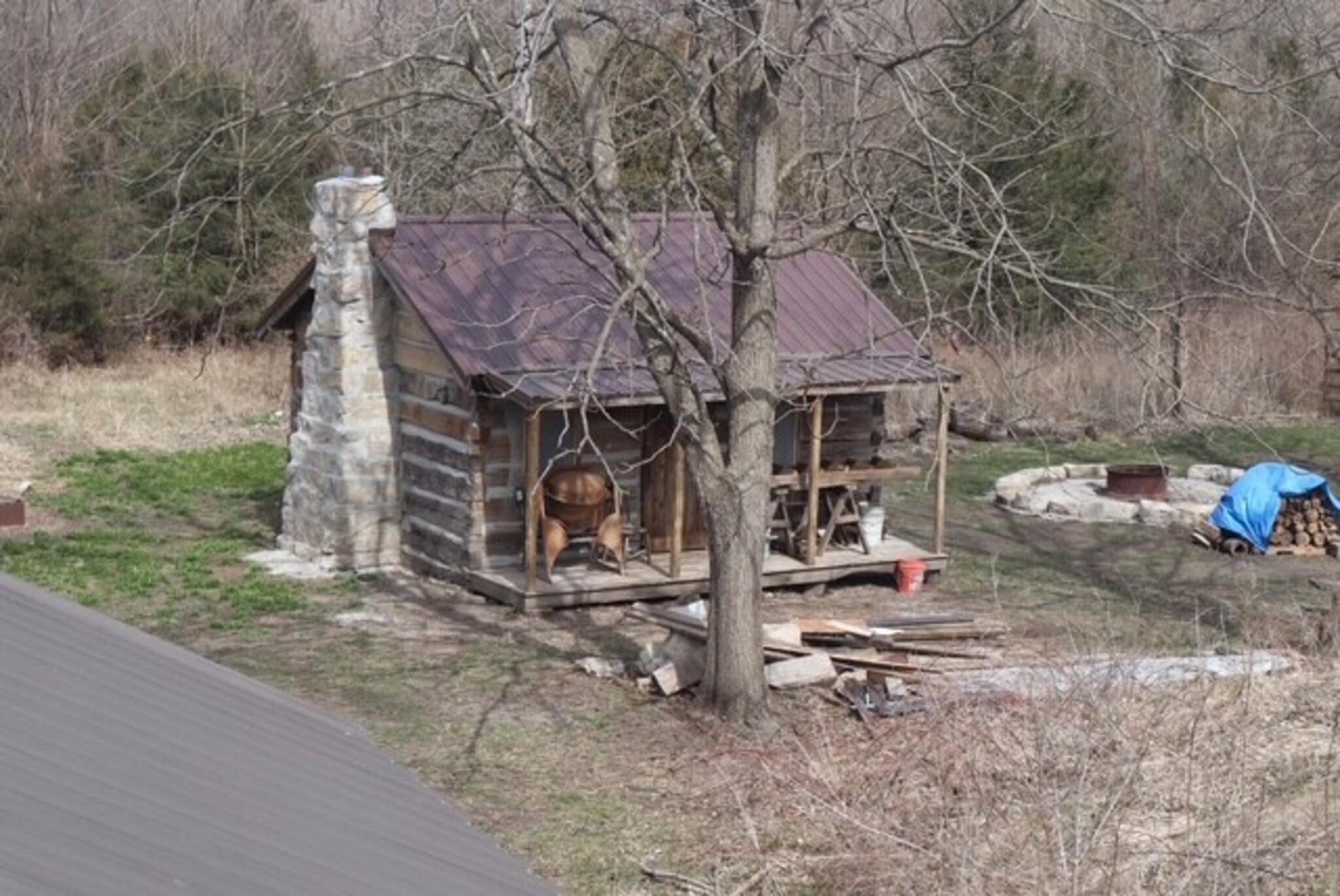
A cabin built by the Friends of the Thompson House on the property provides visitors a glimpse of what original slave quarters would have looked like on the property.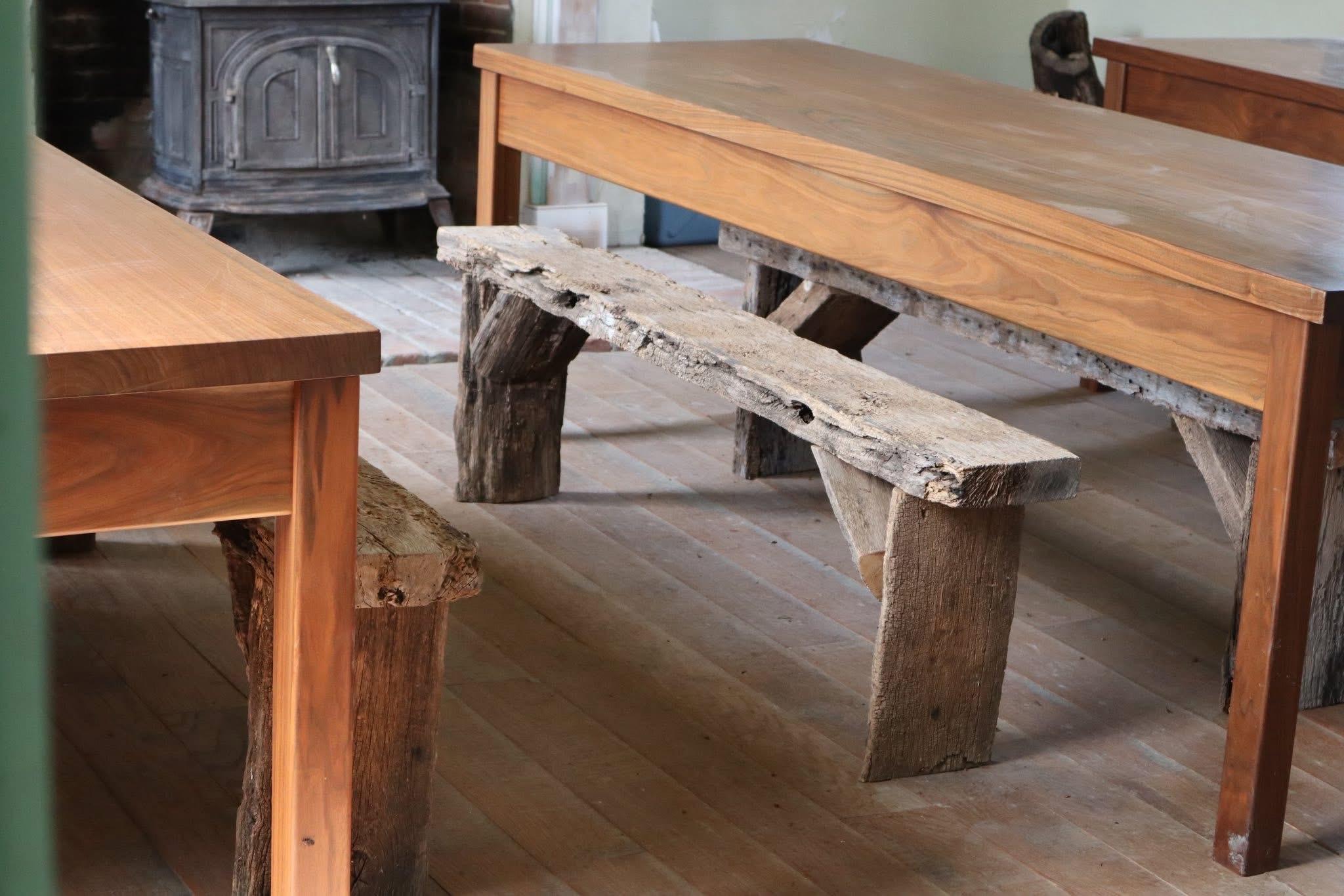
Tables made of walnut were milled on the property along with benches.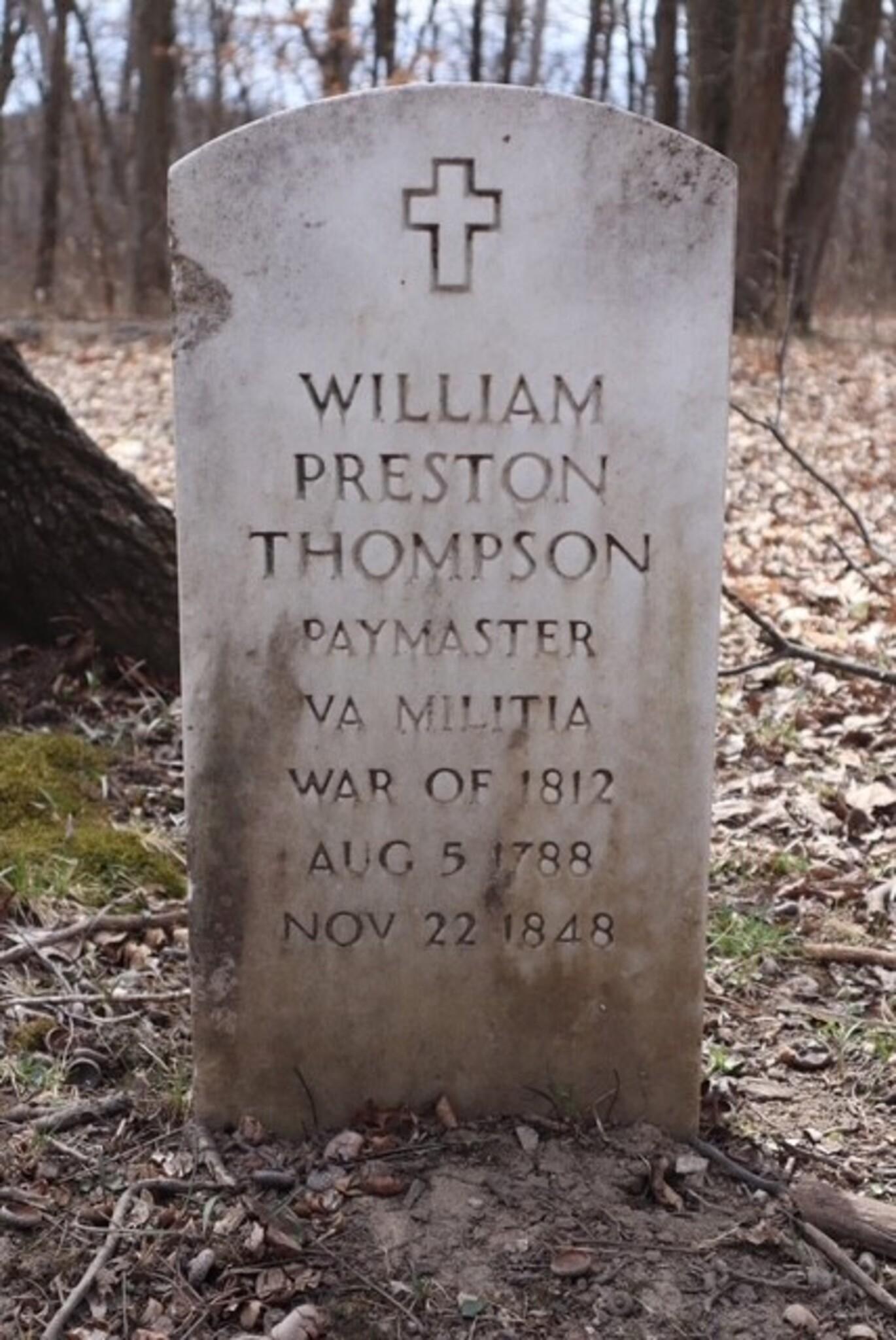
William P. Thompson’s headstone indicates his service in the Virginia Militia during the War of 1812.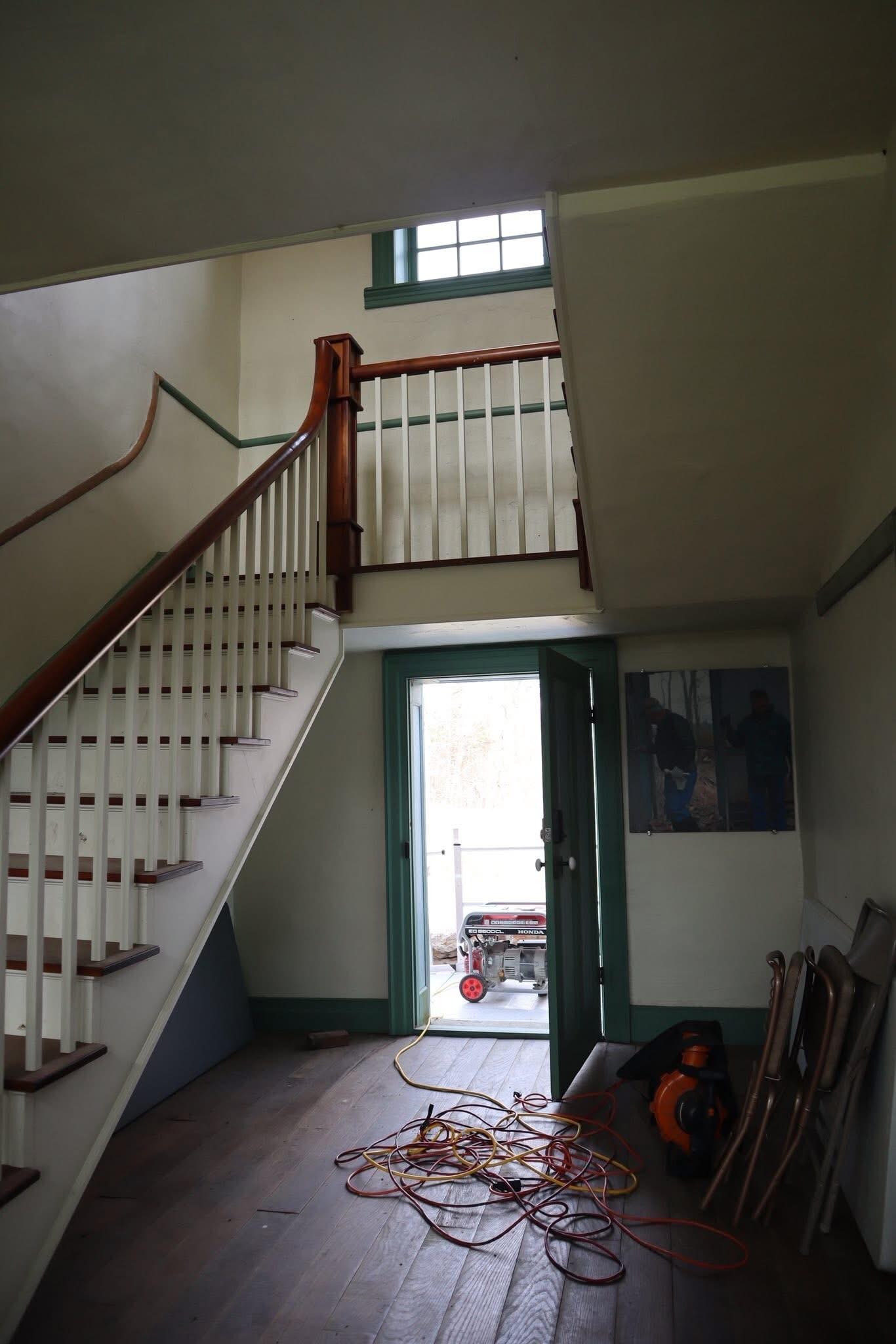
The reconstructed staircase located in the middle of the house is a key element in the traditional I-style design of the 1800s property.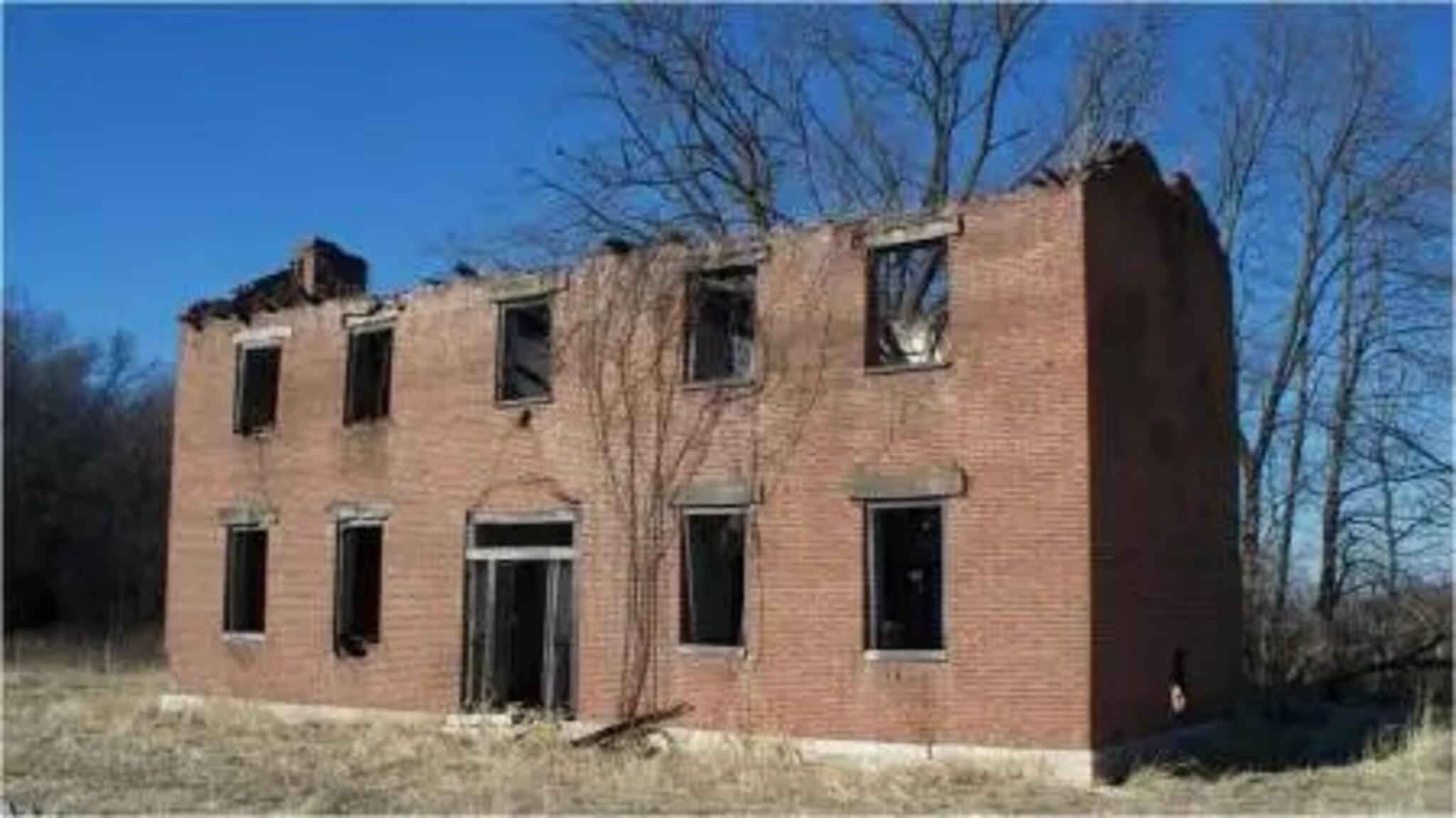
A photo of the Thompson House before repairs were made highlights the disrepair years of abandonment caused.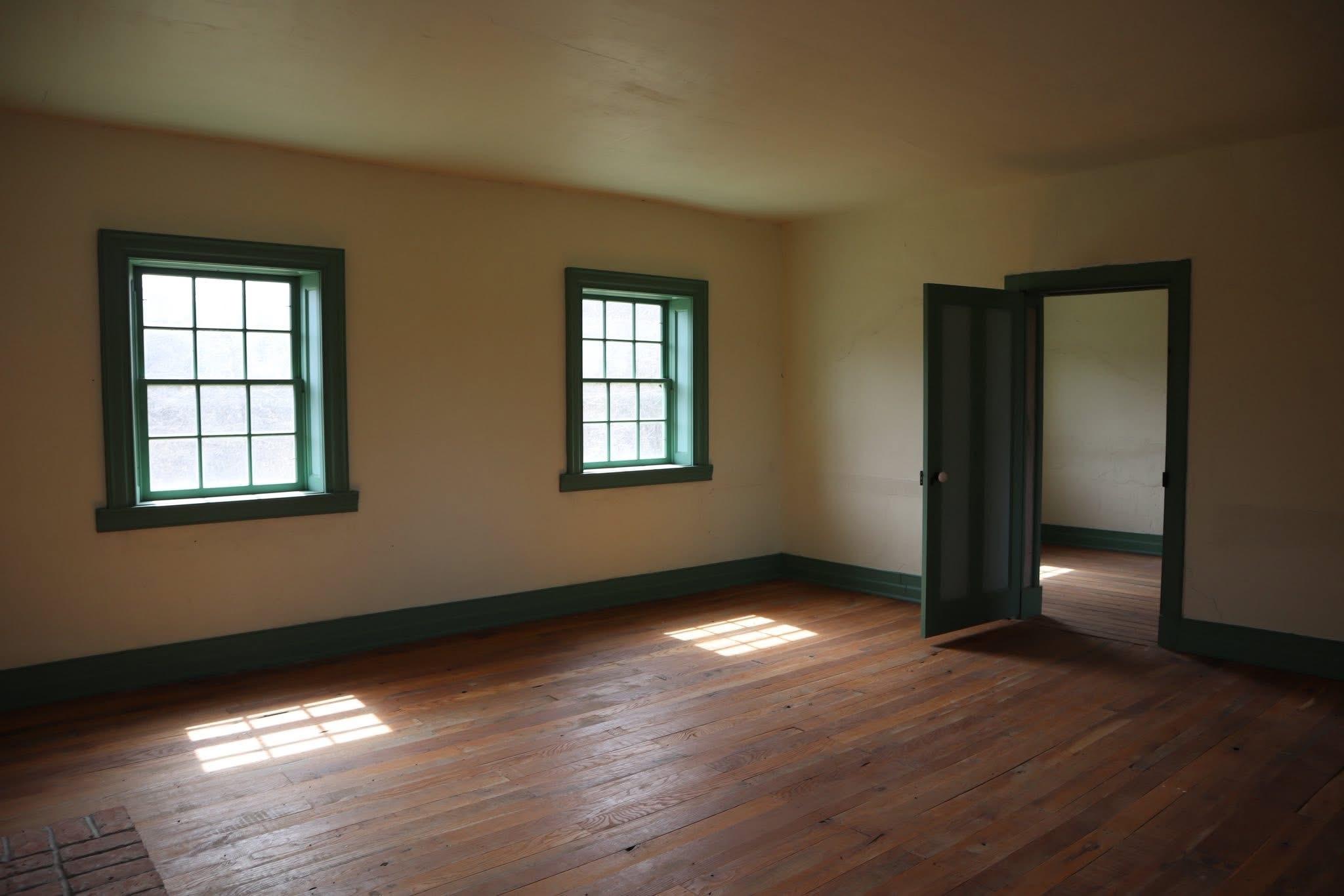
One of the rooms fully finished in the Thompson House.
Gabe Stark
Reporter
The Friends of the Thompson House continue working to preserve one of Grundy County’s oldest historic sites while expanding tours, educational programming and long-term improvements at the property.
Located near Crowder State Park, the Thompson House traces its roots to the 1830s and Dr. William P. Thompson, a Virginia-born physician who settled in what became Grundy County during the Andrew Jackson era.
Connection to history
Organizer Martha Goedert described the site as the county’s first white settlement and said Thompson came west as part of an effort connected to smallpox immunization of Native Americans and for the protection of settlers moving into the area.
Goedert said the location itself was chosen with help from Native Americans, who told Thompson the site would not flood despite its relative closeness to the river. She noted that the property sits roughly three-fourths of a mile from the river and has remained a suitable location over the years.
That history, she said, is part of what makes the site so important to preserve and interpret for modern visitors.
The home reflects a traditional Virginia-style I-house design, with two rooms on each side and a center stairwell. Goedert said visitors to Colonial Williamsburg would recognize similarities in the style. Portions of the structure still preserve original elements, including horsehair plaster and examples of early milk paint, while other parts have been carefully rebuilt using photographs and historical references to maintain the house’s historic appearance.
When visitors arrive at the Thompson House today, they see a structure that appears sturdy and welcoming. But Goedert said old photographs tell a much different story.
Restoration work
At one time, the building had deteriorated badly, with overgrowth surrounding the house and major damage throughout the property. She said the transformation from that condition to the restored structure standing today took vision, patience and years of work.
Those involved with the restoration said the project has taken about 20 years to move from a heavily deteriorated structure to its current condition. Goedert said people who see the old photographs are surprised anyone believed the house could be saved. Yet local supporters saw the property not simply as an old building, but as a chance to preserve an important part of county history and create a place where people of all ages could connect with the past.
The restoration effort was launched by local supporters including Ellen Emery Dolan, Gary Dolan, Tad Trombley and another now-deceased founder.
“The Friends of the Thompson House shared a vision of rebuilding the site with young people and community education in mind,” said Goedert.
That vision remains central to the property’s purpose as organizers continue finding ways to bring students, families and visitors to the site for tours and special events.
Goedert said the house offers something modern students do not often get to experience firsthand.
“There’s no electricity. There’s no running water,” Goedert said. “It doesn’t hurt for them to see what this was, but also it’s just so quiet and beautiful.”
The setting gives children and adults alike a clearer sense of how people once lived, worked and built homes without modern conveniences. The quiet surroundings, natural airflow and dark night sky all help create an experience that feels far removed from everyday life,Goedert said.
The house contains period-style furnishings and tools, with some materials repurposed from the property itself. Walnut from the land was used in parts of the interior, and beams that were no longer safe for structural use were turned into benches. Other reconstructed features include a bread oven and rooms used to interpret how the home may have functioned when it was occupied.
Goedert also pointed to the role of skilled workers and volunteers in the restoration. Amish craftsmen were a major part of the effort, helping with repairs and reconstruction. Other contributors brought specialized skills in masonry and woodworking, while local supporters donated time, materials and money to keep the project moving forward.
Funding for the work has come through donations and grants. Goedert said about $70,000 had been received through the Hoover Foundation, along with other support for the ongoing project. Fundraising and community backing, she said, have been critical in turning the long-term restoration from an idea into a reality.
Continued work needed
Still, the work is not finished. One challenge is water. A well at the site has reportedly been dry for the last two to three years, and organizers hope to address that issue through additional drilling work and rainwater collection from the roofs.
Access improvements are also among the group’s goals, including creating a circle drive or emergency access route. A covered bridge is another feature supporters hope to add in the future.
Beyond infrastructure, organizers want to continue growing the educational side of the project. Goedert said the goal is to create more programs that bring people to the property and encourage them to learn about both local and early American history. That includes school-related visits, seasonal events and partnerships with groups already active at nearby Crowder State Park.
The Thompson House is already drawing significant public interest. Goedert said the site welcomed about 5,000 visitors last year through tours, park traffic and special events. Activities have included holiday programming, family-centered events and support for groups visiting the broader park area. Organizers also mentioned spring hikes, historical programs and bus tours among the events that help bring people to the site.
The property also carries a strong sense of community memory. Goedert said many adults who visit today remember coming to the house years ago, sometimes as students and sometimes during the years when the abandoned property had become a place teenagers visited to meet and sometimes party. Others, she said, have lived in Grundy County for years but have never been there. That mix of memory, curiosity and rediscovery gives the Thompson House a special place in local history.
Friends of the Thompson House welcome people who have memories of the property, historical connections to the Thompson family or an interest in local history to connect. To learn about the restoration efforts by Friends of the Thompson House, visit friendsofthethompsonhouse.blogspot.com.